

What Are the Best Diamond Polishing Pads for Stone Surfaces? A Complete Guide
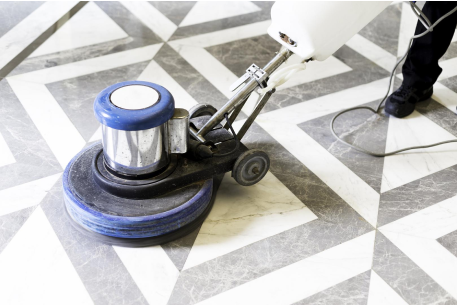
If you want your natural stone floors, countertops, or walls to look professionally restored without hiring a contractor, diamond polishing pads for stone are the most powerful tool available to homeowners and stone care professionals alike. Whether you’re working with marble, granite, travertine, limestone, or slate, the right diamond polishing pads for stone can transform a dull, scratched, or etched surface into a mirror-like, showroom-quality finish. This guide covers everything you need to know — from how diamond pads work to grit selection, application technique, and the best products to pair with them.
How Diamond Polishing Pads for Stone Work
Diamond polishing pads for stone are circular abrasive discs embedded with industrial-grade diamond particles. Diamonds are the hardest natural material on earth, making them uniquely effective at grinding, honing, and polishing stone surfaces at a microscopic level. Each pad progressively refines the stone surface by removing scratches, etch marks, and surface irregularities left by previous grits.
The process works in stages — coarser grits remove deep scratches and level uneven surfaces, while finer grits refine the finish and build the final gloss. A complete set of diamond polishing pads for stone typically includes grits ranging from 50 (coarse grinding) all the way up to 3000 or higher (high-gloss polishing). Using diamond polishing pads for stone in the correct sequence is essential — skipping grits or rushing the process results in an uneven, hazy finish rather than the deep, reflective shine you’re aiming for.
Choosing the Right Grit for Your Stone Project
Selecting the correct grit sequence is the most critical decision when working with diamond polishing pads for stone. Here is a straightforward guide to grit selection based on your specific restoration goal:
- 50–100 Grit – Heavy grinding for severely damaged, deeply scratched, or lippage-affected stone floors; removes significant material and levels the surface
- 200–400 Grit – Medium honing for removing moderate scratches, etch marks, and surface staining; prepares the stone for finer polishing stages
- 800–1500 Grit – Fine honing that begins building clarity and smoothness; ideal for achieving a honed or matte finish on marble and limestone
- 2000–3000 Grit – High-gloss polishing stage that produces a reflective, mirror-like shine on marble, granite, and travertine
- Buff Pad – Final buffing stage used with a polishing powder or cream to achieve maximum gloss and surface clarity
For routine maintenance polishing — removing light etching or restoring shine to a previously polished surface — starting at 800 or 1500 grit is typically sufficient. Full restoration from deep scratches or heavy damage always requires starting from the coarser grits and working progressively through each stage.
Wet vs. Dry Diamond Polishing Pads for Stone
Diamond polishing pads for stone are available in both wet and dry variants, and choosing the right type for your application matters significantly:
Wet Pads:
Wet diamond pads are used with water as a coolant and lubricant during the polishing process. The water prevents heat buildup that can crack or discolor stone, extends the life of the diamond particles, and washes away stone dust during grinding. Wet pads are the professional standard for floor polishing, large surface restoration, and any application where a high-quality finish is the priority.
Dry Pads:
Dry diamond pads are designed for use without water, typically with handheld polishers or angle grinders on smaller surfaces such as countertops, vanities, and wall tiles. They are more convenient for quick touch-ups and smaller projects but generate more heat and have a shorter lifespan than wet pads.
For best results on marble and granite countertops, dry pads with a variable-speed polisher at low to medium RPM deliver excellent control and a high-quality finish without the mess of water application.
MB Stone Care Products: Professional-Grade Solutions for Stone Polishing
Pairing your diamond polishing pads for stone with the right finishing products is what separates a good result from a truly professional one. MB Stone Care products are among the most trusted names in the professional stone restoration industry, offering a comprehensive range of polishing powders, creams, sealers, and cleaners specifically engineered for natural stone surfaces.
MB Stone Care products are formulated to work in harmony with the mechanical polishing process. After completing your diamond pad sequence, applying a MB Stone Care products polishing powder or finishing cream to the buffing stage dramatically enhances the final gloss level and surface clarity. Their stone-specific formulations ensure compatibility with marble, granite, travertine, and limestone without risking chemical damage to the freshly polished surface.
When selecting MB Stone Care products for your polishing project, choose the formulation matched to your stone type — marble polishing powders differ in composition from granite finishing creams, and using the correct product ensures the best possible result for your specific surface.
Step-by-Step: How to Polish Stone with Diamond Pads
Follow this professional process to achieve a flawless polish on any natural stone surface:
Step 1 – Clean the Surface Thoroughly
Remove all dirt, grease, and cleaning product residue before beginning. Any contamination on the surface will clog the diamond pad and reduce its effectiveness.
Step 2 – Start with the Appropriate Grit
Attach your starting grit pad to a variable-speed polisher. For wet polishing, keep a spray bottle of water nearby and mist the surface frequently during grinding. Keep the polisher moving at all times — stopping in one spot causes uneven grinding and surface burns.
Step 3 – Work Through Each Grit Progressively
After completing each grit stage, wipe the surface clean and inspect under a raking light before moving to the next finer grit. All scratches from the previous pad must be fully removed before progressing — otherwise they will show through the final polish.
Step 4 – Final Polish with Buff Pad
Attach your buff pad and apply a small amount of polishing powder or finishing cream. Work the product into the surface using slow, overlapping passes until the desired gloss level is achieved.
Step 5 – Clean, Seal, and Protect
After polishing, clean the surface thoroughly to remove all polishing residue, then apply a quality stone sealer to protect the newly polished finish from staining and moisture absorption.
At marble cleaning products, we recommend sealing immediately after every polishing session to lock in the restored finish and extend the time between future polishing requirements.
Essential Tips for Using Diamond Polishing Pads
- Never skip grits – Each stage removes the scratches left by the previous, coarser pad; skipping stages leaves visible scratches in the final polish
- Keep consistent pressure – Uneven pressure causes dips and waves in the finished surface, especially on softer stones like marble and limestone
- Replace worn pads promptly – A worn diamond pad loses cutting efficiency and can drag across the surface, causing new scratches rather than removing old ones
- Work in good lighting – Raking light at a low angle reveals surface scratches and helps you assess progress accurately at each grit stage
- Always reseal after polishing – Polishing removes existing sealers along with surface damage; resealing immediately after protects your work
Marble cleaning products carries a full range of professional diamond polishing accessories and stone care finishing products designed to help homeowners and contractors achieve exceptional results on every natural stone surface.
Common Mistakes to Avoid
Even experienced DIYers run into trouble with diamond polishing pads for stone. The most common mistake is skipping grits in the sequence, which leaves swirl marks that later pads can’t fully remove. Another is applying too much pressure — diamond polishing pads for stone work through abrasion and water lubrication, not brute force, so heavy pressure just generates excess heat and uneven wear. Finally, letting the pad or the stone surface run dry during polishing can cause scratching rather than smoothing, so keep the area consistently wet throughout the process and change pads before they become too worn to cut efficiently.
Final Thoughts
Diamond polishing pads for stone are the most effective tool available for restoring and maintaining the natural beauty of marble, granite, travertine, limestone, and slate. Paired with high-quality MB Stone Care products for finishing and sealing, they deliver professional-grade results that dramatically extend the life and appearance of your stone surfaces. Choose the right grit sequence, follow a consistent technique, and always finish with a quality sealer — your stone will reward you with a stunning, long-lasting polish every time.