

How to Maintain Marble Surfaces Using the Best Sealer for White Marble
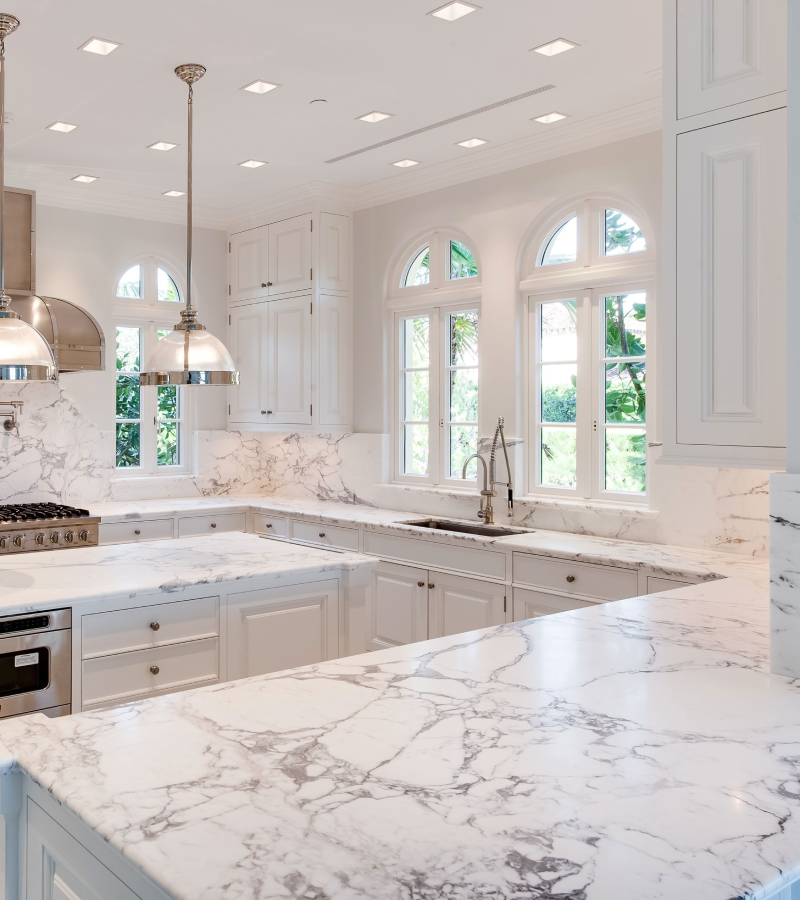
Marble surfaces are known for their timeless beauty, elegant appearance, and luxurious feel. From kitchen countertops to bathroom floors and decorative wall panels, marble adds sophistication to any space. However, marble is also a porous natural stone that requires proper care and maintenance to keep its shine and durability intact. One of the most effective ways to protect marble surfaces is by using the best sealer for white marble along with proper cleaning and maintenance practices.
Why Marble Surfaces Need Sealing
Marble is a natural stone that contains microscopic pores. These pores can absorb liquids such as water, oil, wine, and cleaning chemicals if the stone is left unprotected. When this happens, stains and discoloration can occur, especially on light-colored stones.
Using the best sealer for white marble helps prevent these issues by forming a protective barrier within the stone. Instead of soaking into the marble, liquids remain on the surface where they can be easily wiped away. This protection is especially important in areas with frequent use, such as kitchens, bathrooms, and entryways.
What Is an Impregnating Stone Sealer?
An impregnating stone sealer is one of the most effective types of sealers available for marble and other natural stones. Unlike topical sealers that sit on the surface, impregnating sealers penetrate deep into the stone’s pores. Once inside, they create an invisible shield that repels moisture and stains. The main advantage of using an impregnating sealer is that it protects the stone without changing its natural appearance. The marble keeps its original texture, shine, and color while gaining enhanced resistance to spills and contaminants.
Professionals often recommend impregnating sealers for white marble because they provide long-lasting protection while allowing the stone to breathe naturally.
Benefits of Using the Best Sealer for White Marble
Choosing the best sealer for white marble offers several important benefits that help maintain the stone’s appearance and durability.
1. Stain Protection
White marble is particularly vulnerable to staining because its light color easily shows marks from oils, coffee, wine, and other liquids. Sealing the stone helps prevent these substances from penetrating the surface.
2. Moisture Resistance
Bathrooms, kitchens, and outdoor spaces expose marble to water regularly. A high-quality sealer reduces water absorption and helps prevent damage over time.
3. Long-Lasting Beauty
A good sealer preserves the natural elegance of marble by maintaining its brightness and preventing dull spots caused by stains and moisture.
4. Easier Cleaning
Sealed marble surfaces are easier to clean because dirt and spills stay on the surface rather than penetrating into the stone.
Understanding Natural Stone Sealer and Enhancer
In addition to protective sealers, many homeowners choose a natural stone sealer and enhancer to improve the visual appeal of marble surfaces. This type of product not only seals the stone but also enhances its natural color and patterns. A natural stone sealer and enhancer deepens the tone of the stone, making the veining and textures more pronounced. It is commonly used on decorative marble surfaces where appearance is just as important as protection.
Steps to Seal Marble Properly
To achieve the best results when sealing marble surfaces, it is important to follow a proper process.
Clean the Surface Thoroughly
Before applying any sealer, the marble must be completely clean and dry. Dirt, oils, or residues can prevent the sealer from penetrating the stone effectively.
Apply the Sealer Evenly
Use a soft cloth, sponge, or applicator pad to spread the impregnating stone sealer evenly across the surface. Make sure the stone absorbs the product evenly.
Allow Proper Penetration Time
Most sealers require several minutes to penetrate the stone’s pores. Follow the manufacturer’s instructions to ensure proper absorption.
Wipe Off Excess Sealer
After the sealer has penetrated the marble, wipe away any excess product to prevent streaks or residue on the surface.
Allow the Surface to Cure
The sealer typically needs several hours to cure completely. During this time, avoid exposing the marble to water or heavy use.
How Often Should Marble Be Sealed?
The frequency of sealing depends on the type of marble, the level of usage, and the sealer used. In most cases, marble surfaces should be resealed every 12 to 24 months. High-traffic areas such as kitchen countertops may require sealing more frequently.
Using premium solutions from Marble Cleaning Products ensures reliable protection and longer sealing performance.
Additional Marble Maintenance Tips
Sealing marble is essential, but proper maintenance also plays a major role in preserving the stone. Use pH-neutral cleaners designed for natural stone rather than harsh chemicals. Avoid acidic substances like vinegar or lemon juice, as they can damage marble surfaces. Wipe spills immediately to prevent staining, and regularly dust or mop floors to remove abrasive dirt particles.
Combining regular cleaning with the best sealer for white marble, an impregnating stone sealer, or a natural stone sealer and enhancer will keep marble surfaces looking beautiful for years.
Conclusion
Marble surfaces bring elegance and value to homes and commercial spaces, but they require proper care to maintain their beauty. Using the best sealer for white marble is one of the most effective ways to protect the stone from stains, moisture, and everyday wear.
Whether you choose an impregnating stone sealer for invisible protection or a natural stone sealer and enhancer for added visual depth, sealing marble regularly helps preserve its luxurious appearance. With high-quality solutions from Marble Cleaning Products, maintaining marble surfaces becomes simple, effective, and long-lasting.