

How Do Marble Floors Lose Their Original Finish?
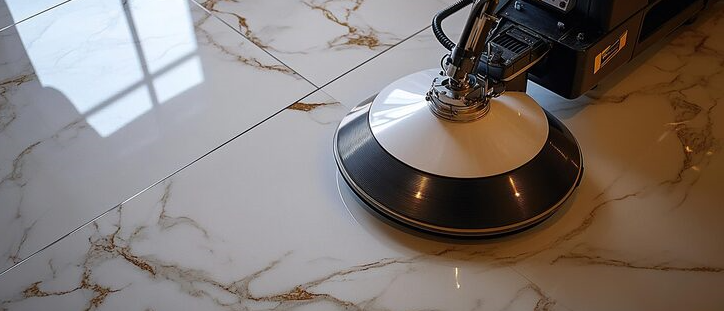
Marble flooring retains its appeal for a long period of time. The problem of reduced shine is gradual and is attributable to foot traffic, dust particles, and inappropriate cleaning agents. Once a marble polish is left on for an extended period, the stone starts to diffuse or scatter light unevenly on clean floors.
Regions with excessive usage experience greater surface-area deterioration. With the assistance of marble floor polish, these minuscule scratches will be removed, and the stone will be polished without destroying its essence.
Why Surface Wear Changes How Marble Reflects Light
The elegance of marble lies in its ability to reflect light evenly across its surface. As the surface becomes scratched, light will scatter rather than bounce, giving it a cloudy or worn-out appearance. In this case, a good marble polish obscures the drawbacks not by concealing the damage but by easing the effects of the surface deterioration.
The intention is not to create a false sparkle. The aim is to remove surface defects so the stone’s natural glow can be restored, especially in areas such as entrances, corridors, and living rooms with high foot traffic.
Restoring Balance Without Over-Polishing
Controlling the restoration process is important. It’s because too much polishing makes the stone thinner, and too little still looks unfinished and uneven. The right marble floor polish mentality is about maintaining the same level and removing signs of wear without causing unnecessary material loss.
This approach is balanced in that the marble is strengthened while the smoothness is restored. With a proper approach, the floor surface is pleasant to the touch and appears even across the entire floor, not blotchy or overly shiny.
When DIY Restoration Makes Sense
Certain surface issues can be addressed without professional intervention:
- Loss of light reflection from traffic wear
- Minor surface haze or dull patches
- Uneven sheen between rooms
- Early signs of finish breakdown
For the best results, use a premium marble polishing kit that corrects these problems within acceptable limits, enabling the homeowner to improve the condition without harsh means safely.
The Role of Targeted Polishing in Long-Term Care
To preserve them over the long term, marbles should be polished only when necessary, rather than frequently.
- Strategic use of marble polish helps correct visible surface disruption
- Controlled polishing preserves stone thickness and overall structural integrity
- Targeted treatments reduce unnecessary abrasion caused by repetitive polishing
- Focused refinement improves consistency across worn and unworn areas
With a comprehensive marble polishing kit, every stage of restoration can be carried out precisely, thereby extending the stone’s lifespan while preserving its aesthetics.
Knowing When to Refresh Instead of Replace
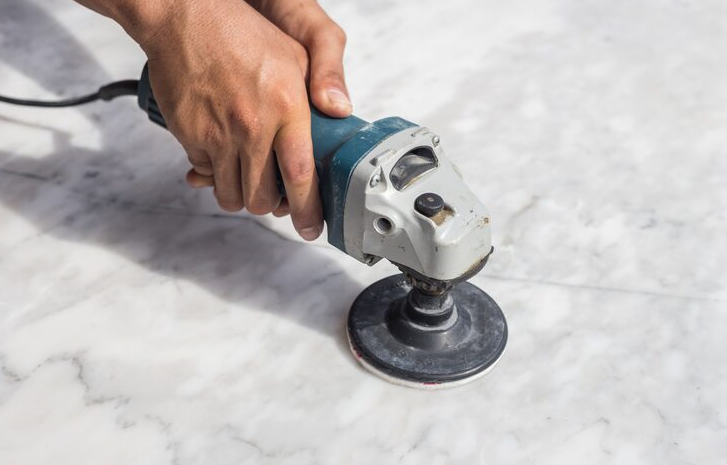
Most people replace marble floors in their homes because they wear down, not because they become damaged. Whenever one can see the need to improve the stone’s appearance rather than replace it, a lot of time and money can be saved. Marble floor polish is effective for restoring gloss without damaging the stone’s structure.
At this point, a proper marble polishing kit enhances the surface, making the floors appear new while retaining the original structural integrity.
Where Controlled Restoration Preserves Marble Value
Marble lasts longer when restoration is careful, measured, and timed correctly. The floors still retain their natural beauty and durability when surface wear is addressed promptly and with the right polishing process.
With pro-quality solutions from Marble & Granite Care Products, it makes sense to invest in renewing marble efficiently, ensuring an attractive finish for years to come without the need for replacement.