

How to Choose the Best Sealer for White Marble and Natural Stone Surfaces
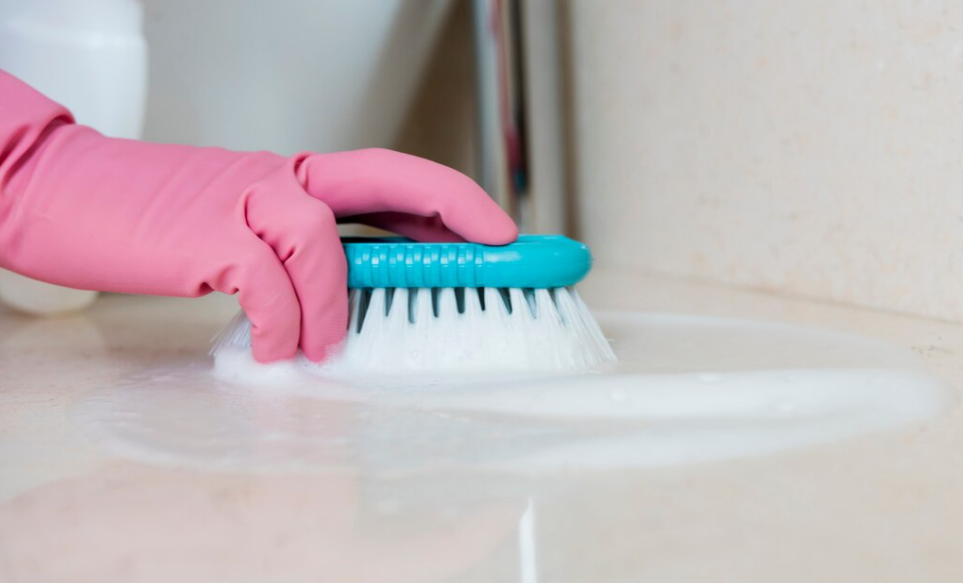
Natural stone surfaces bring elegance, durability, and long-term value to both residential and commercial spaces. Whether you have marble countertops, limestone floors, granite vanities, or travertine patios, proper protection is essential to maintain the beauty of the stone over time. One of the most effective ways to preserve natural stone is by using an impregnating stone sealant designed specifically for porous surfaces.
At Marble Cleaning Products, homeowners and professionals can find high-quality sealing solutions created to protect natural stone against stains, moisture, and daily wear. Choosing the right sealer can significantly extend the life of marble and other natural stone surfaces while preserving their original appearance.
What Is an Impregnating Stone Sealer?
An impregnating stone sealant is a penetrating sealer that absorbs below the surface of natural stone rather than forming a coating on top. Unlike topical sealers that create a visible layer, impregnating sealers work internally to block moisture, oil, dirt, and contaminants from entering the pores of the stone.
Natural stones such as marble, granite, slate, travertine, and limestone are naturally porous. Without proper sealing, liquids can seep into the surface and create permanent staining or discoloration. An impregnating sealant helps reduce absorption while allowing the stone to breathe naturally.
These sealers are especially popular for kitchens, bathrooms, showers, fireplaces, entryways, and outdoor stone installations because they offer invisible protection without changing the texture of the stone.
Why White Marble Requires Special Protection
White marble is one of the most luxurious and visually appealing stone materials used in modern interiors. However, it is also one of the most delicate. White marble surfaces can easily absorb liquids, oils, and acidic substances, leading to etching, yellowing, and staining.
Finding the best sealant for white marble is important because standard sealers may not provide enough protection for light-colored stone. White marble often requires a high-performance penetrating sealer that protects against both water-based and oil-based stains without altering the natural finish.
Popular white marble varieties such as Carrara, Calacatta, and Thassos are frequently used in kitchens and bathrooms where spills are common. Proper sealing helps maintain the clean and polished appearance homeowners expect from premium marble installations.
Benefits of Using a Natural Stone Sealant and Enhancer
A natural stone sealant and enhancer provides both protection and visual enhancement. In addition to guarding the surface from stains and moisture, these products enrich the natural color and veining of the stone, creating a deeper and more vibrant appearance.
Many property owners choose enhancer sealers for slate, travertine, and honed marble surfaces where they want to highlight the texture and richness of the material. A quality natural stone sealer and enhancer can help restore dull-looking surfaces while maintaining long-lasting protection.
Some key benefits include:
- Protection against water and oil penetration
- Reduced risk of staining and discoloration
- Enhanced natural color and depth
- Easier daily maintenance and cleaning
- Improved resistance to mildew and moisture damage
- Long-lasting stone preservation
Using the right enhancer sealant can make older stone surfaces appear refreshed without requiring extensive restoration work.
How to Choose the Best Sealer for White Marble
Selecting the best sealer for white marble depends on several factors, including the location of the stone, finish type, and exposure to moisture or spills.
Here are a few important things to consider when choosing a marble sealant:
1. Penetrating Protection
A high-quality impregnating sealant should penetrate deeply into the marble rather than sitting on the surface. This helps preserve the natural appearance of the stone while providing effective stain resistance.
2. Breathability
Natural stone needs to release trapped moisture. Breathable sealers allow vapor transmission while still protecting against liquid absorption.
3. Non-Yellowing Formula
White marble can discolor over time if low-quality sealers are used. Always choose a non-yellowing formula specifically designed for light-colored stone.
4. Food-Safe Application
For kitchen countertops and food preparation areas, choose a sealer approved for residential interior use and food-contact surfaces when fully cured.
5. Finish Compatibility
Some marble surfaces are polished while others are honed or textured. Ensure the sealant is compatible with the finish you want to maintain.
Common Areas That Need Stone Sealing
Natural stone sealing is recommended for many interior and exterior applications, including:
- Marble countertops
- Bathroom vanities
- Kitchen backsplashes
- Shower walls and floors
- Limestone flooring
- Travertine patios
- Granite surfaces
- Stone fireplaces
- Entryways and hallways
High-traffic and moisture-prone areas benefit the most from regular sealing maintenance.
How Often Should Natural Stone Be Sealed?
The lifespan of a sealant depends on the type of stone, amount of traffic, and cleaning products used on the surface. In general, most natural stone surfaces should be resealed every one to three years.
A simple water test can help determine whether resealing is necessary. If water quickly absorbs into the surface instead of beading up, the stone may need another application of impregnating sealer.
Routine maintenance and proper cleaning also play an important role in preserving sealed surfaces. Harsh acidic cleaners should be avoided because they can weaken both the stone and the protective sealant.
Protect Your Stone with Marble Cleaning Products
Choosing the right sealing products can make a major difference in the long-term appearance and durability of natural stone surfaces. Whether you are searching for an impregnating stone sealant, a natural stone sealer and enhancer, or the best sealant for white marble, professional-grade products offer superior performance and protection.
Marble Cleaning Products provides trusted solutions designed specifically for marble, granite, limestone, travertine, and other natural stone materials. With proper sealing and maintenance, homeowners can preserve the beauty and value of their stone surfaces for years to come.
Frequently Asked Questions
How long does an impregnating protective coating last on marble? Most penetrating stone treatments last 1-2 years indoors and 6-12 months in high-traffic or outdoor areas before reapplication is needed, depending on foot traffic and exposure to moisture.
How can I tell if my white marble needs a fresh coat of protection? Sprinkle a few drops of water on the surface. If the water beads up, the protective layer is still active. If it soaks in and darkens the stone, it’s time to reapply.
Does every type of marble need the same protective treatment? No. Porosity varies by stone, so a lighter, more porous marble like Carrara may need more frequent reapplication than a denser variety.